
What Causes Smelly Drains and How to Fix Them
December 3, 2025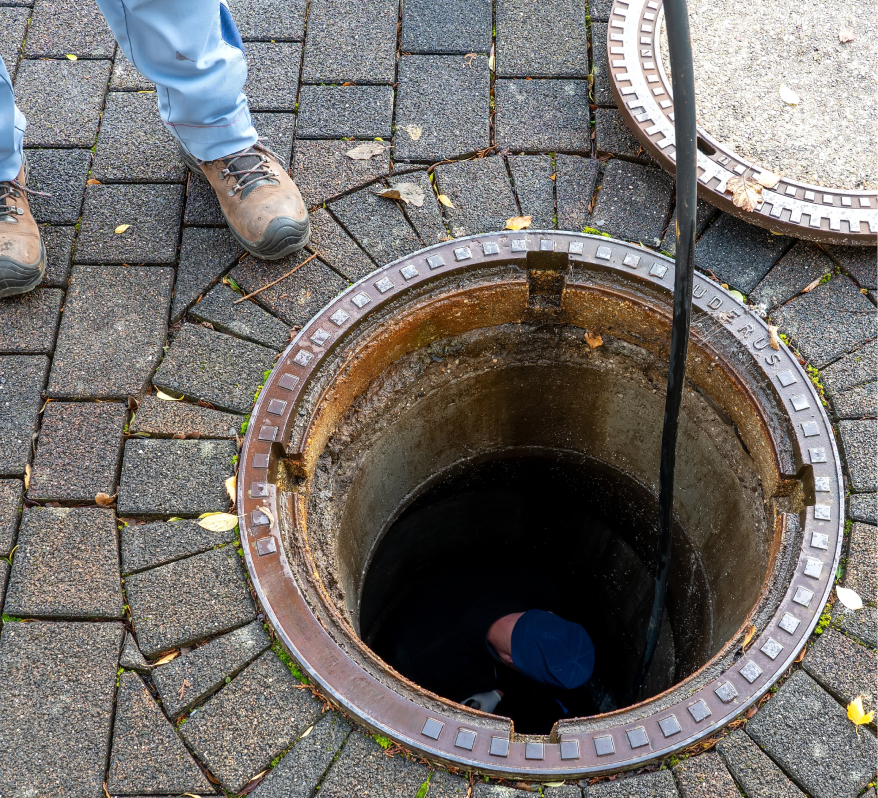
DIY Drain Unblocking Goes Wrong — When to Call a Professional
DIY Drain Unblocking Goes Wrong — When to Call a Professional
DIY Drain Unblocking Goes Wrong — When to Call a Professional
There are few household frustrations quite like a blocked drain. Whether it’s the shower drain, the bath, or the kitchen sink, slow draining water is inconvenient and often unpleasant. The temptation, of course, is to fix it yourself. After all, a bit of DIY unblocking can seem simple enough — until it isn’t.
While it’s possible to unblock a drain using household products such as baking soda and vinegar, or a trusty plunger, there are many situations where home remedies can make matters worse. This article explains the common reasons why drains get blocked, which DIY methods are safe, and when it’s time to call a professional plumber from Bee Maintenance to handle it properly.
Why Drains Get Blocked
A blocked drain is almost always caused by a gradual accumulation of substances inside the pipe. Over time, materials cling to the inner surfaces of the plumbing and narrow the waterway until a clog forms.
Common reasons for this include:
- Fat and grease poured down the sink and solidifying inside the pipe
- Hair and soap scum gathering in the bath or shower drain
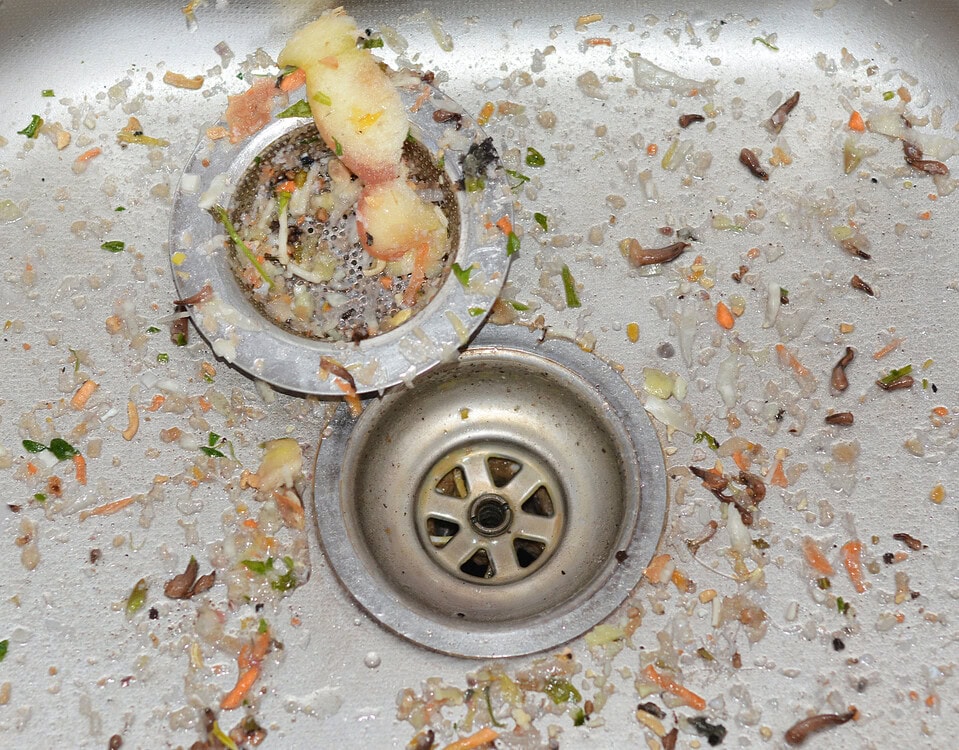
- Food scraps and coffee grounds that should go in the bin
- Residue from cleaning chemicals and household products building up over time
- Silt and debris entering outside drains after rainfall
- Structural issues, such as a cracked or collapsed pipe in the drainage system
Knowing the cause of the blockage is crucial before attempting to fix it. A minor clog near the surface can often be dealt with safely, but deeper blockages or damaged pipes require professional drain cleaning.
DIY Methods: How to Safely Unblock a Drain
If your drain won’t empty or is draining slowly, there are a few methods you can try first. Used correctly, they can help clear mild drain clogs and save you from unnecessary expense.
1. The Boiling Water Method
Pour a kettle full of boiling water down the drain. The heat can melt grease, loosen light deposits, and clear the blockage caused by soap scum or fat. If you have plastic pipes, opt for hot water instead to avoid damage.
2. The Baking Soda and Vinegar Reaction
Pour a cup of baking soda into the drain, followed by a cup of vinegar. Let it fizz for an hour, then flush with boiling water. This gentle, eco-friendly method works best on minor clogs.
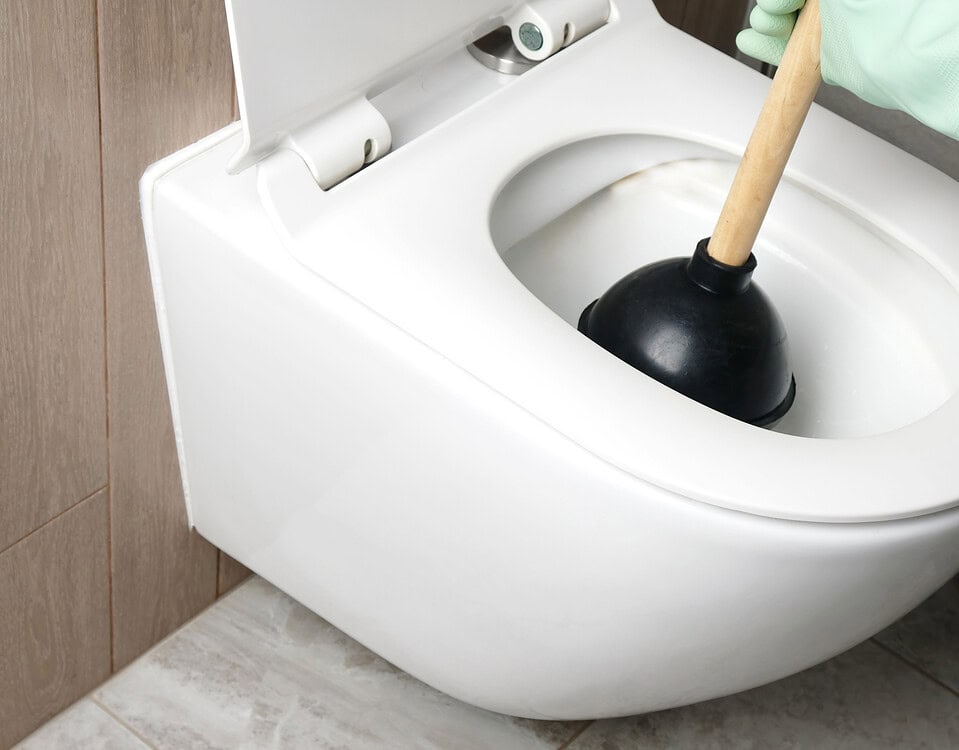
3. Using a Plunger
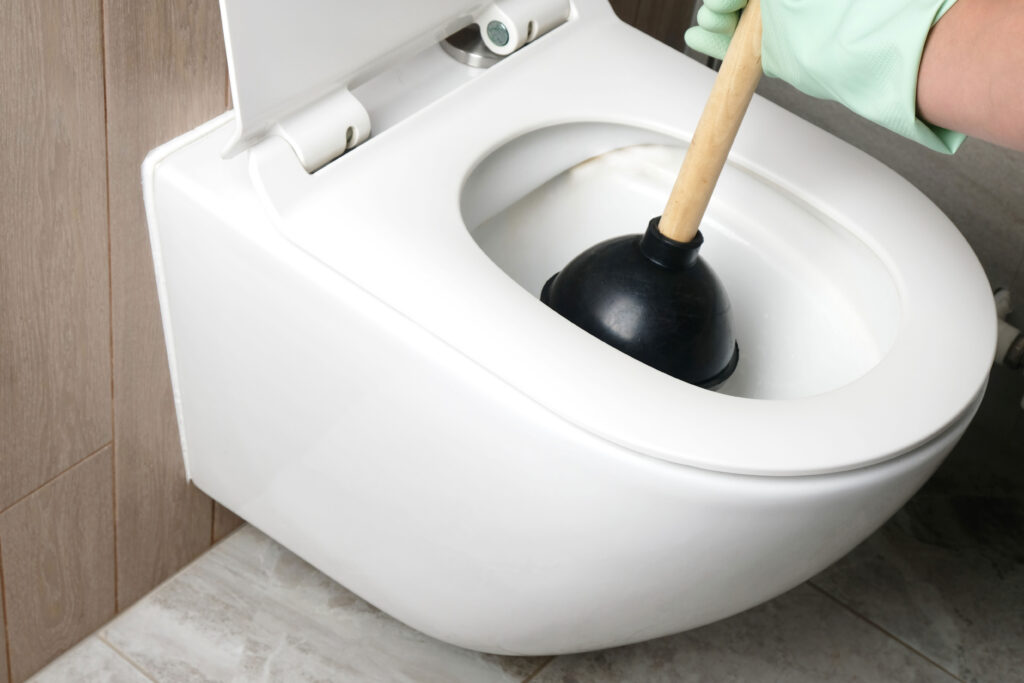
Fill the sink or bath with enough water to cover the plunger, then pump vigorously. Avoid excessive force to prevent pushing the clog deeper.
4. The Drain Snake or Auger
Insert the snake slowly until you feel resistance, then twist gently to loosen debris. Avoid improvised tools like coat hangers, which can damage pipes.
5. Using Caustic Soda or Commercial Drain Cleaners
These can dissolve grease and hair but are dangerous if misused. Always wear gloves, follow instructions, and never combine with baking soda and vinegar. For older pipes, professional help is safer.
When DIY Unblocking Goes Wrong
DIY unblocking doesn’t always go to plan. Here’s what can happen:
- Partial clearance: Remaining debris may cause another blockage.
- Pushing the blockage deeper: Aggressive plunging or snake use can make the clog harder to reach.
- Damage to the pipework: Excessive heat or chemicals can warp pipes or cause leaks.
- Chemical reactions: Mixing cleaners can produce dangerous fumes or reactions.
- Hidden structural issues: Collapsed pipes, tree roots, or misaligned joints require professional inspection.
When to Call a Professional Plumber
Stop DIY efforts and hire a professional if:
- The drain won’t clear after several attempts
- Multiple fixtures are blocked at once
- Water is backing up outside through gullies or manholes
- Gurgling sounds or foul odours are present
- Commercial drain cleaners or caustic soda fail
- There’s visible damage, leaks, or damp patches around your pipework
How Professionals Handle Drain Unblocking
- CCTV Drain Surveys: High-definition cameras inspect the pipes to identify the cause of the blockage.
- High-Pressure Jetting: Powerful water jets clear blockages and residue along the pipe safely and efficiently.
- Drain Repairs and Relining: Cracks or collapses are repaired or relined with minimal disruption.
- Emergency Call-Outs: 24/7 support for flooding, smells, or structural damage.
- Preventive Maintenance: Regular drain cleaning prevents future clogs and supports home insurance compliance.
Why Hiring a Professional is Worth It
- Safety: Professionals handle caustic chemicals and jetting systems safely.
- Accuracy: CCTV inspections locate blockages precisely.
- Durability: Professional unclogging prevents recurring issues.
- Insurance: Certified work supports home insurance compliance.
- Peace of Mind: Avoid accidental damage and costly repairs.
Preventing Future Blockages
- Fit drain covers to trap hair and debris.
- Avoid tipping fat, grease, or oil down the sink; dispose in the bin.
- Weekly: pour boiling water to clear light soap scum.
- Monthly: use baking soda and vinegar, let sit, then rinse with hot water.
- Check for slow drainage early.
- Keep external drains free of leaves, mud, and silt.
DIY vs Professional: Knowing the Difference
| Situation | DIY Fix | Call a Professional |
|---|---|---|
| Minor slow shower or bath drain | ✅ Use plunger or baking soda and vinegar | — |
| Recurring blocked drain | — | ✅ |
| Multiple fixtures affected | — | ✅ |
| Gurgling sounds or bad odours | — | ✅ |
| Suspected pipe damage | — | ✅ |
FAQ
- What’s the safest way to unblock a drain at home?
- Pour a cup of baking soda followed by a cup of vinegar, let sit for an hour, then flush with boiling water. Avoid mixing with caustic cleaners.
- When should I call a professional plumber?
- If the drain won’t clear after a few attempts, multiple fixtures are slow, bad odours, gurgling sounds, or water backing up outside.
- Can boiling water damage my pipes?
- Occasional use is fine, but repeated boiling water can warp plastic pipes. Use hot water for uPVC plumbing, especially after baking soda and vinegar.
- Are chemical drain cleaners safe to use?
- They can dissolve grease but may corrode old or plastic pipes. Wear gloves and never mix chemicals. Call a professional if needed.
- Why does my drain keep getting blocked?
- Residual debris, cracks, roots, or misaligned joints can cause recurring clogs. CCTV inspections can locate the problem.
- What’s the best way to prevent future blockages?
- Use drain covers, avoid pouring fat/grease, and monthly use of baking soda and vinegar. Professional cleaning also helps.
- Can I use a drain snake myself?
- Yes, but carefully. Twist gently and avoid damaging the pipe. Call a professional for deeper or stubborn clogs.
- Is drain damage covered by home insurance?
- Coverage varies. Check your policy, especially after flooding or repeated blockages.
- What should I do if my outside drain is blocked?
- Remove visible debris. If water still won’t drain, avoid caustic products and call a professional.
- How often should I have my drains cleaned professionally?
- Once a year is usually sufficient, but older pipes, frequent cooking, or heavy rainfall may require cleaning every six months.