
DIY Drain Unblocking Goes Wrong — When to Call a Professional
December 3, 2025
Top Reasons Your Sink Drains Slowly
December 3, 2025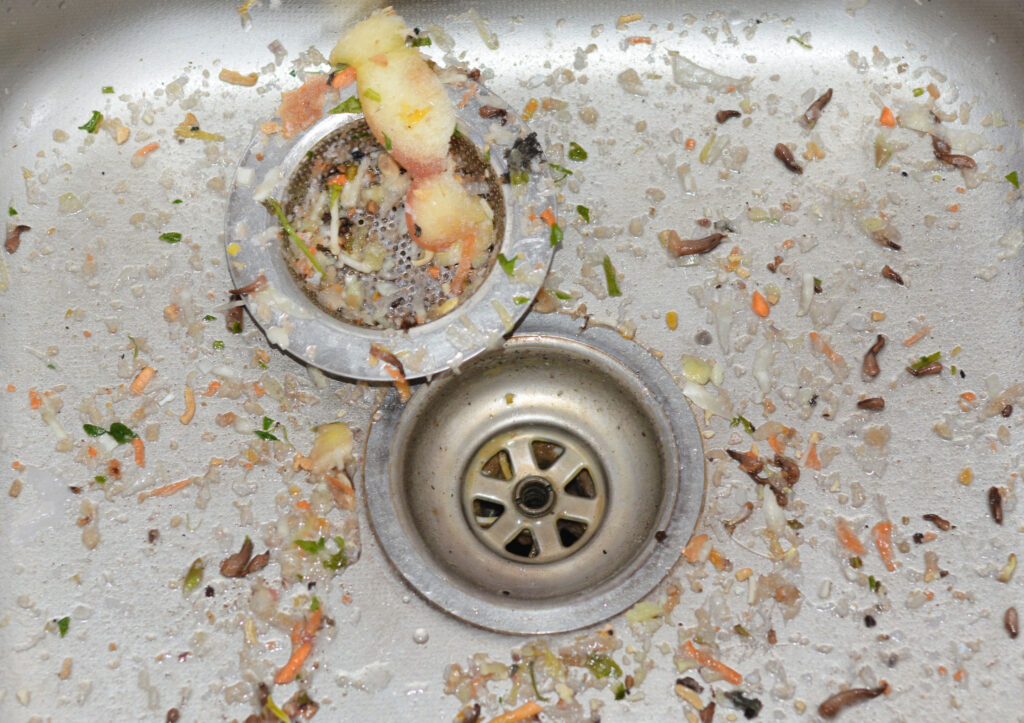
What Causes Smelly Drains and How to Fix Them
What Causes Smelly Drains and How to Fix Them
Understanding and tackling smelly drains effectively
Smelly drains create a problem that no home should ignore. A smelly drain can shift the atmosphere of a room, whether it is in the kitchen or bathroom, and the impact grows quickly if the drain smell spreads through the property. The moment a drain starts releasing a smelly odour, it is usually a sign that something inside the pipework is not flowing as it should. It might be ordinary household buildup, a mild clog, or early signs of a deeper blocked drain. Whatever the cause, recognising the issue and choosing the right solutions for smelly plumbing can prevent unnecessary stress and damage.
Many households search for how to get rid of smelly drains in the bathroom, how to clean smelly drains, and how to get rid of smelly drains in the kitchen because these are the areas that face the greatest strain. Drains in your kitchen collect fat, food particles, and grease from cooking, while a bathroom drain receives shampoo, oils, hair, soap, and daily waste from washing. When these settle around the plughole, bacteria grow, water stagnates, and an unpleasant odour develops. Once this starts, the drains can deteriorate quickly unless you get rid of the smell with the right approach.
What Causes Smelly Drains in the Home
The common cause is trapped waste inside the pipe or U-bend. In a washbasin, it is usually hair and soap scum, which mix together and create sticky buildup around the drain. As it thickens, it traps moisture and begins to break down, encouraging a stronger drain odour.
In the kitchen sink, the trouble often comes from oils and leftover food. Grease hardens inside the pipes, restricting water flow and trapping particles, which creates sour or rotten smells. Shower drains similarly accumulate shampoo, conditioner, and dead skin, causing unwanted odours. Understanding these causes helps you address the problem effectively.
How to Get Rid of Smelly Drains with Simple Household Care
Start with simple approaches like running boiling water through the pipes, especially after baths and showers. The U-bend is usually the first area affected. Letting boiling water flow slowly through the drain helps loosen stuck material.
Effective Household Items for Bathroom Drains
- Boiling water
- Baking soda and vinegar
- White vinegar on its own
- Mild liquid cleaning solutions
- A soft drain brush or cleaning tool
These help break down early buildup, soften residue, and reduce soap scum, making the drain easier to flush through.
Useful Items for Kitchen Drain Care
- Boiling water
- Enzymatic cleaners
- Washing-up liquid diluted with hot water
- A small manual drain tool
- A mild degreasing solution
Clearing food debris early prevents bacteria from multiplying and reduces odours. Ventilation also matters: open windows or use extractor fans to reduce moisture and bacteria growth.
How to Clean Smelly Drains for Long-Term Freshness
Maintain drains weekly by pouring boiling water, checking for visible hair and soap scum, and using a drain snake for stubborn blockages.
Deep-Clean Items for Maintaining Drain Freshness
- Boiling water used regularly
- A drain snake for deeper debris
- White vinegar for dissolving residue
- Baking soda and vinegar for natural cleaning
- A toothbrush or narrow cleaning brush for the plughole
- Enzymatic cleaners for organic buildup
In kitchens, scrape plates before washing to prevent grease buildup. For stubborn odours, a light bleach solution or commercial drain unblocker can help, but repeated chemical use is not ideal. At that point, calling a professional plumber or drainage specialist is safer.
If odours persist, a deeper problem may exist. A CCTV drain survey can inspect pipes for cracks, collapsed areas, or hidden blockages that prevent proper drainage.
Preventing Smelly Drains Through Good Habits
- Run warm water after washing dishes to move particles along the pipe.
- Wipe around bathroom plugholes to remove toothpaste residue.
- Keep traps full of water to prevent sewer gases from rising.
- Refresh rarely used sinks or showers with a short water flow.
- Maintain outside drains by clearing leaves, mud, and organic matter and rinsing with a hose after storms.
Consistent maintenance reduces odours and keeps drains functioning properly. Professional drain cleaning provides deeper maintenance for older systems or heavy-use households.
When Professional Drain Maintenance Becomes the Smart Choice
Persistent odours or slow drainage may indicate a deeper blockage. Professional plumbers can identify the problem, remove tough clogs, inspect hidden faults, and recommend preventative care. Tools like mechanical rods and cameras help locate issues within the plumbing. Professional repairs restore proper drainage and improve the home environment immediately.
Frequently Asked Questions (FAQ)
- What causes a smelly drain in the first place?
- Buildup from food particles, hair, soap, oils, or grease collects in drains. As debris breaks down, it produces odour and slows water flow, particularly near the drain opening.
- Why does a bathroom drain smell return even after cleaning?
- Deeper residue in the drain line, soap residue, or hair and scum can continue to produce odour. A dry trap may also allow sewer gas to escape.
- What makes kitchen drains smell so quickly?
- Grease, oils, and leftover food particles rot inside pipes. Residual crumbs around the plughole contribute to persistent odours.
- How can I get rid of smelly drains without harsh chemicals?
- Boiling water followed by baking soda and vinegar breaks down soft buildup. White vinegar and enzymatic cleaners are safe natural alternatives.
- How do I know when a smelly sink indicates a deeper problem?
- If slow flow, gurgling, or persistent odours occur, there may be a clog deeper inside the system. Sewer gases may rise if the issue is below the surface.
- What should I do if the smell comes from an outside drain?
- Clear leaves, mud, and decaying organic matter. Use a safe drain unblocker if necessary. Persistent blockages may require inspection of the drain cover.
- How do I deal with smelly odour coming from the shower drain?
- Soap scum, oils, and hair can accumulate in shower drains. Boiling water and enzymatic cleaners help. Persistent odours may require a deeper clean or a drain snake.
- What is the best way to get rid of smelly drains quickly?
- Flush boiling water to soften residue, then apply baking soda and vinegar. Scrub the sink and plughole area to prevent odour recurrence.
- When should I call a professional plumber for a smelly drain?
- Call a professional when odours persist, water drains slowly, or multiple fixtures are affected. CCTV drain surveys may be necessary for hidden issues.
- Can commercial tools help with smelly drains in your home?
- Drain unblocker gels, drain snakes, or high-quality cleaners can help manage odours, but repeated problems require a professional drain specialist.