

Top Reasons Your Sink Drains Slowly
December 3, 2025
The Complete Commercial Property Guide to Prevention & CCTV Drain Surveys
October 8, 2026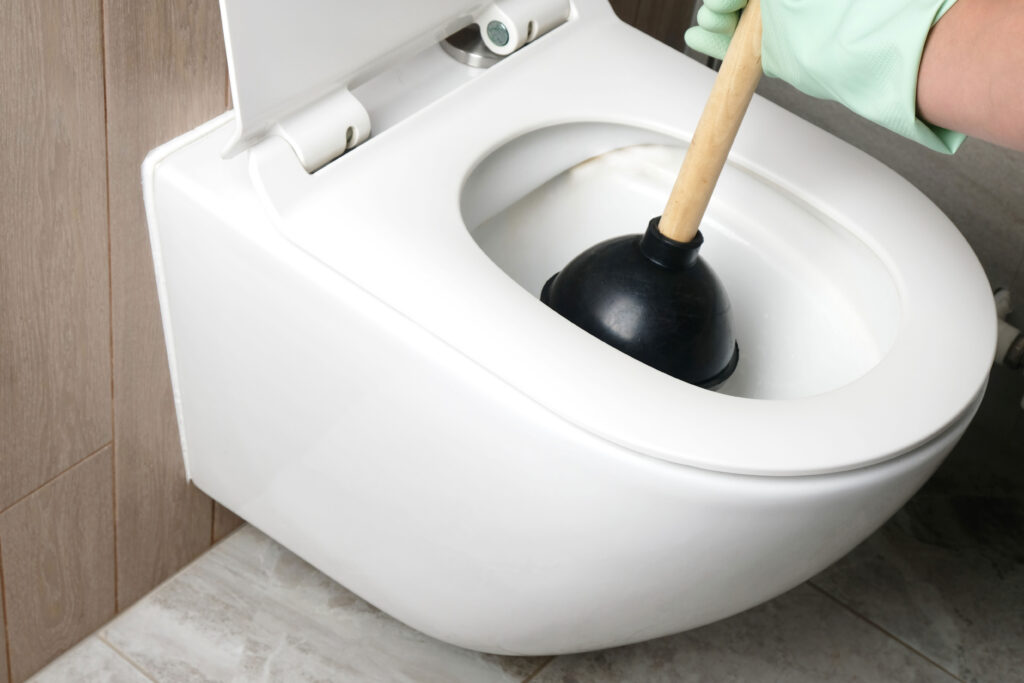
Toilet Not Flushing? 5 Quick Checks Before You Panic
Toilet Not Flushing? 5 Quick Checks Before You Panic
Why Your Toilet Is Not Flushing Properly
A toilet that is not flushing properly can interrupt your entire day whether you are at home,
in the office, or maintaining a commercial space. Weak flushing, slow water movement, or rising
bowl water are all early signs of trouble. Before assuming you have a broken toilet, it helps
to understand the common reasons why a toilet stops flushing as it should.
Older UK properties often struggle with worn flushing parts, low water pressure, and hard-water
deposits. Many of these issues are easy to spot and often relate to a few simple causes. With a
few quick checks, you can usually resolve the issue or determine when professional help is needed.
Fix a Toilet: Start with Simple Checks
When a toilet suddenly won’t flush, start with the basics. Before using any tools, lift the
cistern lid and press the flush to observe how the mechanism responds. A loose or weak feel may
indicate a worn lever or disconnected part.
Check the water level in the tank. If there isn’t enough water, the toilet cannot generate the
force needed for a proper flush. This is often the quickest way to diagnose the problem.
After flushing, watch how the water behaves in the bowl. Rising water or slow drainage usually
indicates a blockage rather than a mechanical failure.
Flapper Faults That Weaken Flushing
A worn or sticking toilet flapper is one of the most common causes of flushing problems. If the
flapper fails to lift properly, the bowl receives insufficient water. If it fails to seal, the
cistern refills slowly or incompletely, resulting in a weak flush.
A warped or limescale-coated flapper cannot function correctly and disrupts the flushing cycle.
You can test it by gently lifting the flapper manually—if the toilet flushes normally, you have
identified the fault. Fortunately, flappers are inexpensive and easy to replace.
Reasons Why Your Toilet Loses Power
- Damaged flush valve
- Loose or detached flush lever
- Low or inconsistent water level in the cistern
- Too much toilet paper slowing the flow
- Worn chain inside the cistern
- Weakened or faulty flush button
- Partial obstruction restricting water flow
These are common reasons why a toilet may flush weakly or not at all. Checking these components
helps you identify the issue before attempting repairs.
Valve Issues and Water in the Tank
Inside the cistern, the flush valve and fill valve control how much water enters the tank and
how much is released during each flush. If either becomes blocked, stiff, or misaligned, the
toilet may not refill properly.
Check the float to ensure it isn’t stuck or too low. Adjusting it slightly may restore normal
function. Limescale buildup, common in UK hard-water areas, often contributes to weak flushing.
If no water is entering the tank, the water supply may be restricted. Check that the isolation
valve is open. If inspecting internal parts, always turn off the water supply first and turn it
back on only after repairs are complete.
Lever and Flush Button Troubles
Whether your toilet uses a traditional lever or a dual-flush button, both components are subject
to wear. If the mechanism loosens or disconnects, the toilet may not flush properly even if all
other parts are functioning.
Signs of lever or button failure:
- A soft or empty feeling when pressed
- Partial or weak flushes
- A handle that does not spring back
- A button that sinks or sticks
Common Toilet Problems with Blockages
A toilet can be partially blocked even if water still drains. This slows wastewater movement and
restricts flow through the trap. You may notice gurgling, rising bowl water, or lingering waste.
Partial blockages often come from paper buildup, wipes, or small objects. Gentle plunging or
carefully dislodging debris with a safe tool can help—just avoid sharp objects that may damage
the toilet.
If the toilet still won’t flush after clearing visible debris, the blockage may be deeper in the
pipework and require professional support.
Check the Water Level to Solve Many Issues
If your toilet isn’t flushing properly, always check the cistern’s water level. Without enough
stored water, even a modern toilet may struggle to clear the bowl. The water should sit near the
manufacturer’s fill mark.
Adjust the float carefully and observe whether flushing performance improves. Getting the water
level right often restores full flushing power.
Keep Your Toilet Working Reliably
Light maintenance every few months helps prevent costly repairs. Clean around the rim jets,
check the float height, ensure the flush valve moves freely, and listen for unusual noises.
If simple checks do not fix the issue—or if deeper wear is suspected—professional inspection is
recommended. Assistance is available via our contact page.
Frequently Asked Questions (FAQ)
- Why is my toilet not flushing properly?
-
A toilet may not flush properly when the flapper, fill valve, lever, or internal parts fail to
provide enough water. Low tank water or early blockages also reduce performance. - What are the reasons why my toilet won’t flush?
-
Common causes include low water levels, worn flappers, stuck floats, valve issues, and partial
blockages in the trap or pipe. - How can I fix a toilet that won’t flush?
-
Adjust the float, replace the flapper, clear simple blockages, and ensure the flush mechanism
is properly connected. - Why is there low water in the tank?
-
Low water levels can result from a restricted fill valve, closed isolation valve, or sediment
preventing water from entering the tank. - What causes common toilet problems?
-
Ageing parts, hard-water deposits, excessive paper use, faulty valves, and incorrect cistern
settings are frequent causes. - What do I do if the toilet is blocked?
-
Check for visible obstructions and try gentle plunging. Avoid harsh tools. If the toilet still
struggles, call a professional. - Does the flush button cause flushing problems?
-
Yes. A damaged or loose flush button may not lift the internal mechanism properly, causing an
incomplete flush. - Why does the toilet struggle to flush even with water?
-
The flush valve may not open fully, the flapper may not rise correctly, or a partial obstruction
may be slowing the flow. - Can too much toilet paper cause trouble?
- Yes. Excessive toilet paper can cause blockages, especially in older UK plumbing systems.
- When should I call a professional?
-
If you repeatedly attempt fixes but the toilet still flushes poorly, or if water rises dangerously
high, professional inspection is required.